
How to Build Stunning Dreadlocks: A Step-by-Step Guide
One-of-a-Kind Vibe
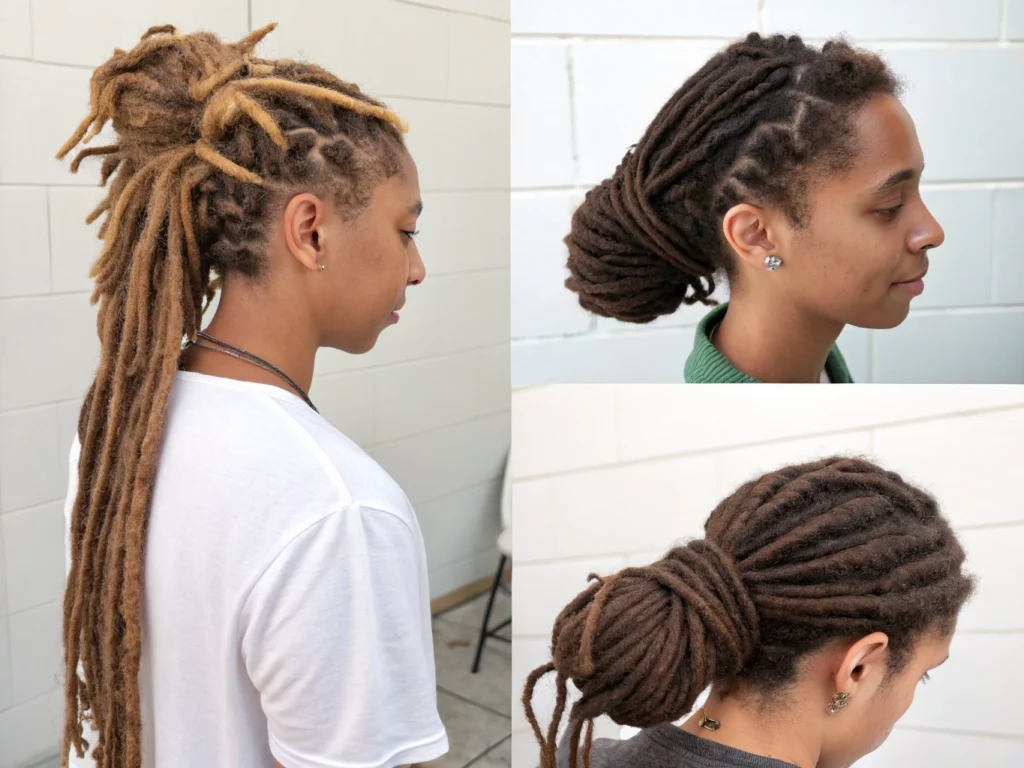
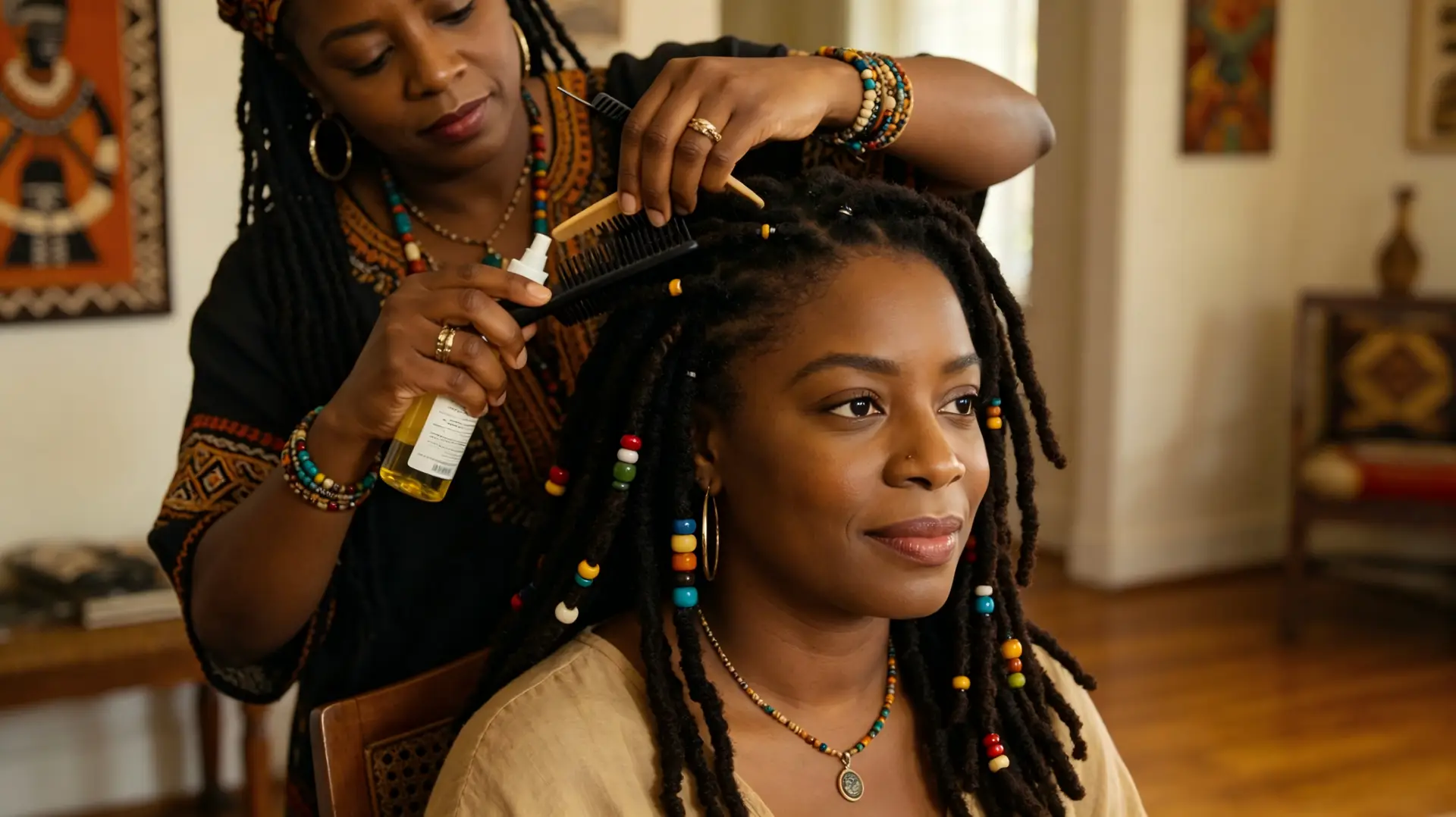
Dreadlocks, or locs, are a unique hairstyle that has historical and cultural significance across various cultures. They are created by matting and tangling hair, resulting in rope-like strands that can vary in thickness and length. Crafting your own dreadlocks can be an empowering process, offering a way to express individuality and personal style.
Before you begin building dreadlocks, it’s essential to prepare your hair properly. Start with clean, dry hair that is free from oils and products. This helps in the initial formation of dreadlocks. It is often recommended to avoid conditioning products, as they can make the hair slippery and hinder the locking process.
There are several methods you can use to build dreadlocks, including the twist and rip method, backcombing, and the organic method. Choosing the right technique depends on your hair type and personal preferences. Backcombing is especially popular as it creates tighter locks quickly, while the twist and rip method involves twisting sections of hair and pulling them apart to encourage knotting.
After the initial formation, it’s crucial to maintain your dreadlocks. Regular separation of the locks, palm rolling, and using a crochet hook can help in keeping them neat and tidy. With patience and care, you can achieve beautiful, healthy dreadlocks that reflect your unique style.